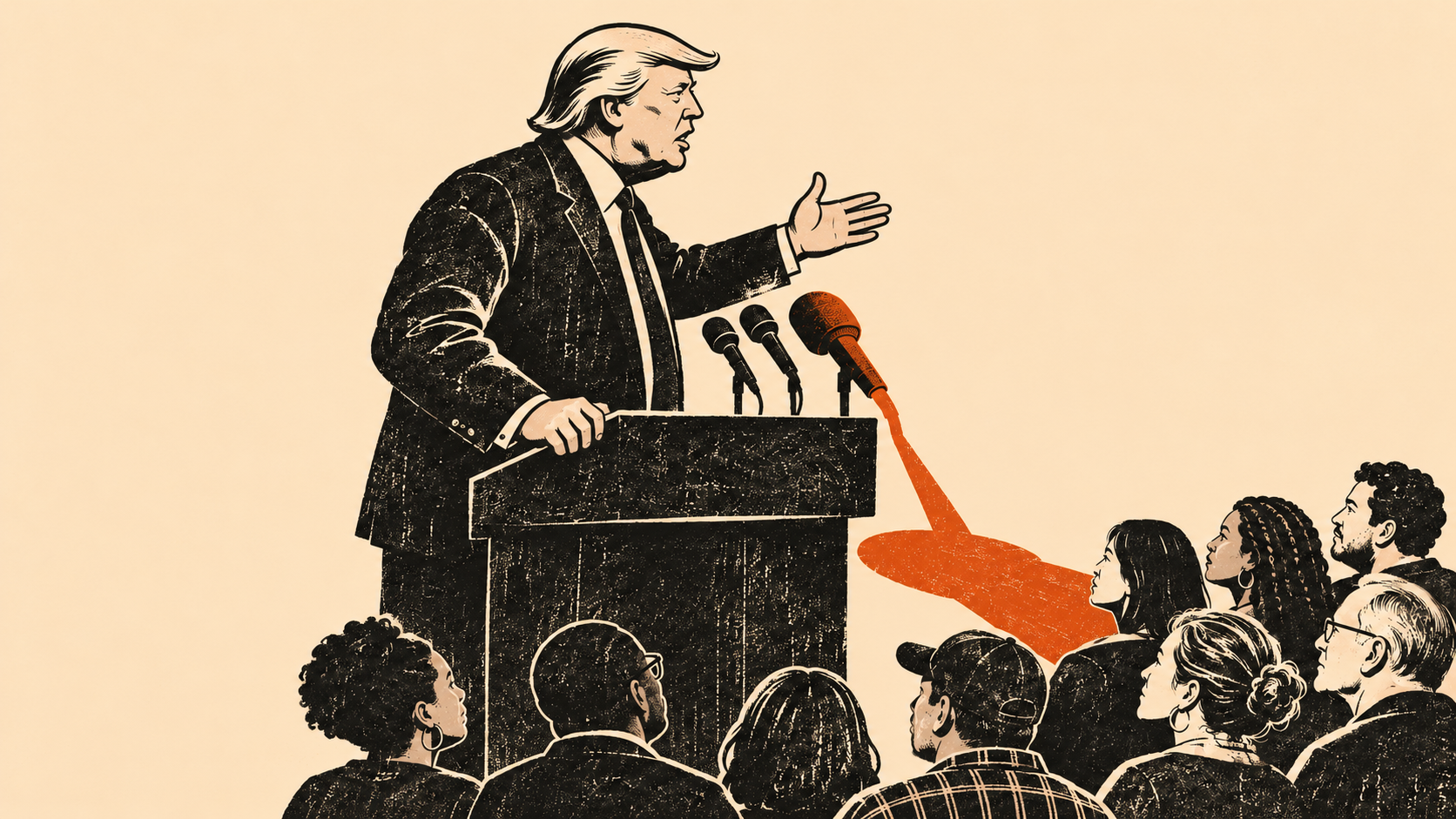
Each unsupported claim makes the next one easier to believe. We have already seen how belief in a stolen election carries into the next one.
Just a week after saying he would work with the new Congress, Donald Trump has begun questioning the results of the midterm elections.
On Monday (11/09/26), he asked whether anyone believed the election was honest. He questioned large batches of early votes and wrote: “It’s all about the machines, which are far more important than the voter!”
Over the weekend, Trump shared posts suggesting Democratic turnout and gains across states were too large or too consistent to be legitimate.
One chart portrayed similar Republican declines across dozens of races as suspicious. Another claimed Democrats had “materialized” roughly 20 million additional votes, using projected totals from an incomplete count. A third called Democratic turnout in Texas “Looney Tunes numbers.”
University of Washington researchers reported Tuesday that such election-denial claims initially attracted little engagement after the Republican losses. But over the weekend, misleading charts and statistical claims began reaching audiences beyond known conspiracy circles as Trump amplified them.
The danger is cumulative. Each unsupported claim makes the next one easier to believe. We have already seen how belief in a stolen election carries into the next one.
Sources
- CBS News: Trump’s election-night pledge
- Trump: November 9 election and voting-machine post
- Trump: “15% band” chart
- Trump: Kevin Bass vote-total chart
- Trump: Donald Ward’s Texas turnout post
- Forbes: Trump amplifies midterm election conspiracies
- University of Washington: How misleading charts lend credibility to election-fraud rumors

